What Human Food Is Safe for Dogs? A Friendly Guide to Sharing Snacks
Imagine sitting down to a weekend brunch and catching your dog’s hopeful eyes darting toward your plate. It’s tempting to toss a bite, but knowing which human foods are genuinely safe can turn a cute moment into a healthy habit. Below we break down the pros, trade‑offs, and realistic expectations for sharing your kitchen with a canine companion.
Which Everyday Foods Can I Share Without Worry?
Most owners are surprised to learn that several common staples are not only non‑toxic but also nutritious for dogs when offered in moderation. Think of plain cooked chicken, carrots, or a spoonful of pumpkin puree—each supplies protein, beta‑carotene, or fiber that supports skin, vision, and digestion. The key is simplicity: no sauces, seasonings, or added salts. A small piece of boiled chicken breast, for instance, can act as a low‑calorie training treat while reinforcing recall.
What Foods Pose Hidden Risks Even If They Seem Benign?
Some foods look harmless but hide compounds that can irritate a dog’s stomach or, worse, trigger toxicity. Grapes and raisins, for example, can cause acute kidney failure, while onions—even in powdered form—damage red blood cells. Dairy is another gray area; many dogs are lactose intolerant, leading to gas or diarrhea after a splash of milk. Offering a tiny lick of plain yogurt may be fine for a tolerant pup, but it’s safest to observe any reaction before making it a habit.
How Can I Balance Treats With My Dog’s Overall Diet?
Human snacks should never replace a balanced commercial diet. Think of them as occasional supplements that add variety, not primary nutrition. The American Veterinary Medical Association suggests that treats (including human foods) should make up no more than 10 % of daily caloric intake. For a 30‑lb adult dog needing roughly 900 kcal, that’s about 90 kcal of extras—a handful of green beans or a few slices of apple, for instance. Overindulgence can lead to weight gain, which stresses joints and shortens lifespan.
What Are Some Quick, Dog‑Friendly Recipes I Can Try Tonight?
Creating a “doggie snack bowl” can be both fun and nutritious. Start with a base of cooked brown rice, add diced sweet potato (rich in vitamins A and C), and toss in shredded lean turkey. Finish with a drizzle of pumpkin puree for gut health. This combo mirrors a balanced meal: carbs, protein, and fiber, all without added salt or spices. Serve a small portion to gauge tolerance, then store leftovers in the fridge for up to three days.
What Should I Watch For After Introducing a New Human Food?
Whenever you add a novel ingredient, monitor your dog for 24‑48 hours. Signs of gastrointestinal upset—vomiting, loose stool, or excessive gas—signal that the food doesn’t agree with their system. More severe symptoms like lethargy, tremors, or excessive drooling could indicate toxicity and warrant a call to your veterinarian. Keeping a food diary helps you track which treats are well‑tolerated and which should be avoided.
Visual Guide: Understanding Your Dog’s Digestive Anatomy

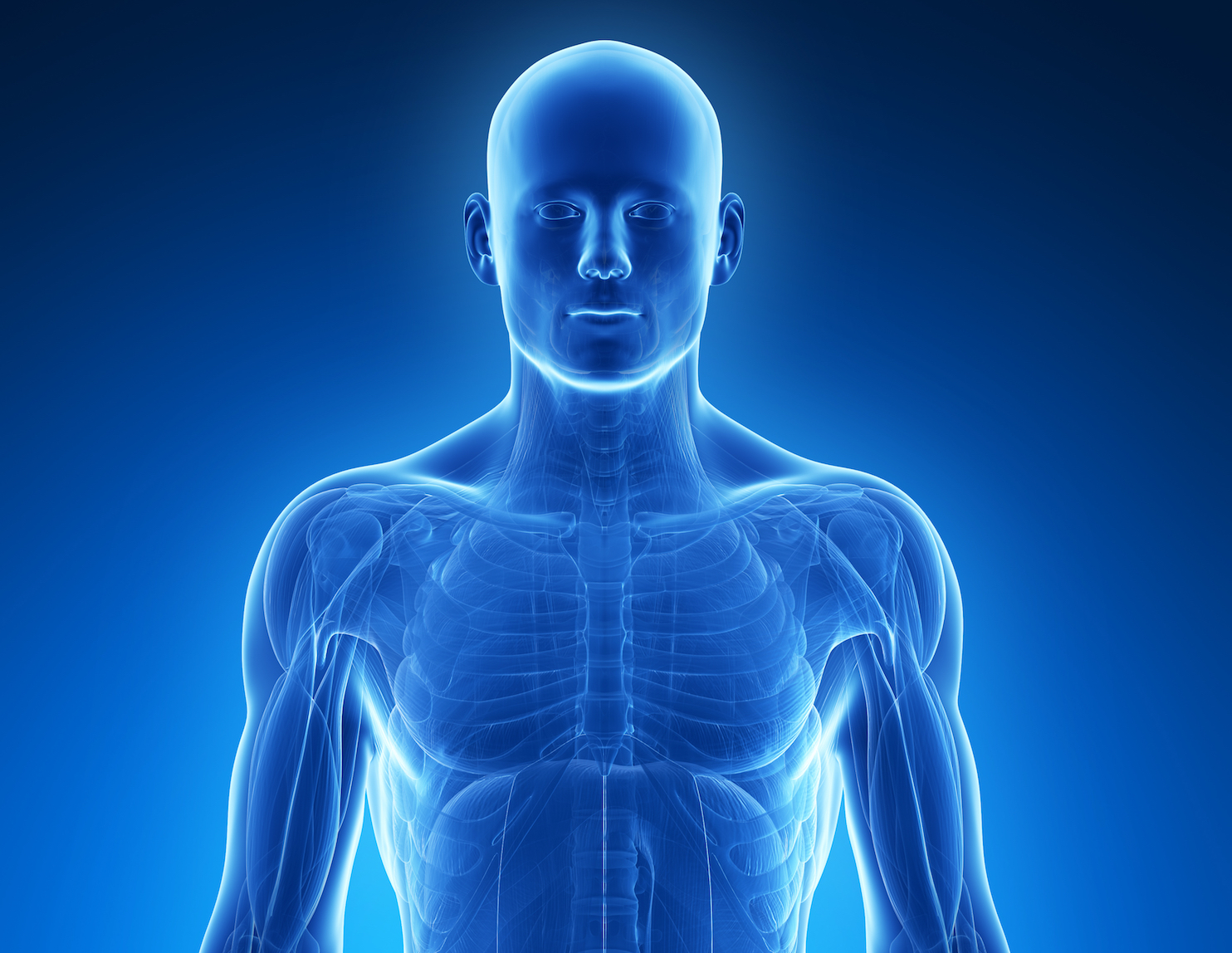
This illustration, though human‑focused, mirrors the basic layout of a dog's gastrointestinal tract: mouth, esophagus, stomach, small intestine, and large intestine. Knowing where digestion occurs helps you choose foods that are easy on the stomach (like boiled meats) versus those that linger and cause fermentation (such as raw onions).
Imagine sitting down to a weekend brunch and catching your dog’s hopeful eyes darting toward your plate. It’s tempting to toss a bite, but knowing which human foods are genuinely safe can turn a cute moment into a healthy habit. Below we break down the pros, trade‑offs, and realistic expectations for sharing your kitchen with a canine companion.
Which Everyday Foods Can I Share Without Worry?
Most owners are surprised to learn that several common staples are not only non‑toxic but also nutritious for dogs when offered in moderation. Think of plain cooked chicken, carrots, or a spoonful of pumpkin puree—each supplies protein, beta‑carotene, or fiber that supports skin, vision, and digestion. The key is simplicity: no sauces, seasonings, or added salts. A small piece of boiled chicken breast, for instance, can act as a low‑calorie training treat while reinforcing recall.
What Foods Pose Hidden Risks Even If They Seem Benign?
Some foods look harmless but hide compounds that can irritate a dog’s stomach or, worse, trigger toxicity. Grapes and raisins, for example, can cause acute kidney failure, while onions—even in powdered form—damage red blood cells. Dairy is another gray area; many dogs are lactose intolerant, leading to gas or diarrhea after a splash of milk. Offering a tiny lick of plain yogurt may be fine for a tolerant pup, but it’s safest to observe any reaction before making it a habit.
How Can I Balance Treats With My Dog’s Overall Diet?
Human snacks should never replace a balanced commercial diet. Think of them as occasional supplements that add variety, not primary nutrition. The American Veterinary Medical Association suggests that treats (including human foods) should make up no more than 10 % of daily caloric intake. For a 30‑lb adult dog needing roughly 900 kcal, that’s about 90 kcal of extras—a handful of green beans or a few slices of apple, for instance. Overindulgence can lead to weight gain, which stresses joints and shortens lifespan.
What Are Some Quick, Dog‑Friendly Recipes I Can Try Tonight?
Creating a “doggie snack bowl” can be both fun and nutritious. Start with a base of cooked brown rice, add diced sweet potato (rich in vitamins A and C), and toss in shredded lean turkey. Finish with a drizzle of pumpkin puree for gut health. This combo mirrors a balanced meal: carbs, protein, and fiber, all without added salt or spices. Serve a small portion to gauge tolerance, then store leftovers in the fridge for up to three days.
What Should I Watch For After Introducing a New Human Food?
Whenever you add a novel ingredient, monitor your dog for 24‑48 hours. Signs of gastrointestinal upset—vomiting, loose stool, or excessive gas—signal that the food doesn’t agree with their system. More severe symptoms like lethargy, tremors, or excessive drooling could indicate toxicity and warrant a call to your veterinarian. Keeping a food diary helps you track which treats are well‑tolerated and which should be avoided.
Visual Guide: Understanding Your Dog’s Digestive Anatomy
This illustration, though human‑focused, mirrors the basic layout of a dog's gastrointestinal tract: mouth, esophagus, stomach, small intestine, and large intestine. Knowing where digestion occurs helps you choose foods that are easy on the stomach (like boiled meats) versus those that linger and cause fermentation (such as raw onions).
Anatomy Of Human Body Parts And Functions - Infoupdate.org

Anatomy Of Human Body Parts And Functions - Infoupdate.org
Premium Photo | Design A Detailed Medical Illustration Of The Human

Premium Photo | Design a detailed medical illustration of the human ...
How Apes Reveal Human History – SAPIENS
How Apes Reveal Human History – SAPIENS
Newly Discovered Organ May Be The Largest In The Human Body - Earth.com
Newly discovered organ may be the largest in the human body - Earth.com