
Common Human Foods Not Safe for Dogs and Better Alternatives
We treat our dogs like family, so it feels natural to toss them a bite of our dinner when those puppy eyes appear. However, the trend of sharing "human grade" meals with pets can lead to unintended health consequences. While some table scraps are harmless, many human foods not safe for dogs can cause serious toxicity or long-term health issues. Understanding the difference between a harmless treat and a dangerous snack is essential for keeping your canine companion healthy.
Recognize the "Superfood" Dangers
Pet owners often make the mistake of assuming that foods labeled as "healthy" or "organic" for humans are automatically good for pets. This error stems from a logical comparison: if blueberries are great for my antioxidants, surely grapes are too? The reality is quite different. Grapes and raisins, for example, can cause rapid kidney failure in dogs, even in small amounts. Similarly, while we prioritize avocados for their healthy fats, they contain persin, a toxin that causes vomiting and diarrhea in dogs. When choosing treats, ignore the health buzzwords on human packaging and stick to species-specific nutrition.
Understand How Toxins Attack Internal Organs

It helps to visualize what happens inside the body when a dog ingests a prohibited item. While humans can metabolize a variety of compounds found in onions, garlic, and chives, dogs lack the necessary enzymes to process them. These ingredients damage red blood cells, leading to anemia. The ingestion of Xylitol, a common sugar substitute in gum and baked goods, triggers a massive insulin spike in dogs, causing fatal hypoglycemia. Unlike humans, whose livers handle these substances differently, a dog's organs can go into crisis mode within hours of ingestion.
Stop Sharing Fatty Scraps to Prevent Illness
Another common mistake is offering dogs the trimmed fat from steaks or the skin from roasted chicken. We view these as flavorful rewards, but for a dog, high-fat meals are a primary trigger for pancreatitis. This painful inflammation of the pancreas often requires hospitalization. Compare the caloric density of a single slice of bacon to a dog-sized treat; it is the equivalent of a human eating multiple sticks of butter. Avoid the temptation to clean your plate with your dog’s help. Instead of fatty scraps, offer plain, cooked proteins like chicken breast without seasoning or skin.
Opt for Safer, Dog-Friendly Swaps
Making smarter choices doesn't mean your dog has to miss out on snack time. You just need to swap the dangerous items for safe alternatives that provide similar satisfaction. If you want to give something crunchy and sweet, replace toxic grapes with small pieces of apple—just be sure to remove the seeds and core. If your dog enjoys the texture of meat, swap processed hot dogs (high in salt and nitrates) for plain cooked carrots or green beans. By selecting vet-approved substitutes, you protect your pet from hidden dangers while still including them in the ritual of sharing food.
We treat our dogs like family, so it feels natural to toss them a bite of our dinner when those puppy eyes appear. However, the trend of sharing "human grade" meals with pets can lead to unintended health consequences. While some table scraps are harmless, many human foods not safe for dogs can cause serious toxicity or long-term health issues. Understanding the difference between a harmless treat and a dangerous snack is essential for keeping your canine companion healthy.
Recognize the "Superfood" Dangers
Pet owners often make the mistake of assuming that foods labeled as "healthy" or "organic" for humans are automatically good for pets. This error stems from a logical comparison: if blueberries are great for my antioxidants, surely grapes are too? The reality is quite different. Grapes and raisins, for example, can cause rapid kidney failure in dogs, even in small amounts. Similarly, while we prioritize avocados for their healthy fats, they contain persin, a toxin that causes vomiting and diarrhea in dogs. When choosing treats, ignore the health buzzwords on human packaging and stick to species-specific nutrition.
Understand How Toxins Attack Internal Organs
It helps to visualize what happens inside the body when a dog ingests a prohibited item. While humans can metabolize a variety of compounds found in onions, garlic, and chives, dogs lack the necessary enzymes to process them. These ingredients damage red blood cells, leading to anemia. The ingestion of Xylitol, a common sugar substitute in gum and baked goods, triggers a massive insulin spike in dogs, causing fatal hypoglycemia. Unlike humans, whose livers handle these substances differently, a dog's organs can go into crisis mode within hours of ingestion.
Stop Sharing Fatty Scraps to Prevent Illness
Another common mistake is offering dogs the trimmed fat from steaks or the skin from roasted chicken. We view these as flavorful rewards, but for a dog, high-fat meals are a primary trigger for pancreatitis. This painful inflammation of the pancreas often requires hospitalization. Compare the caloric density of a single slice of bacon to a dog-sized treat; it is the equivalent of a human eating multiple sticks of butter. Avoid the temptation to clean your plate with your dog’s help. Instead of fatty scraps, offer plain, cooked proteins like chicken breast without seasoning or skin.
Opt for Safer, Dog-Friendly Swaps
Making smarter choices doesn't mean your dog has to miss out on snack time. You just need to swap the dangerous items for safe alternatives that provide similar satisfaction. If you want to give something crunchy and sweet, replace toxic grapes with small pieces of apple—just be sure to remove the seeds and core. If your dog enjoys the texture of meat, swap processed hot dogs (high in salt and nitrates) for plain cooked carrots or green beans. By selecting vet-approved substitutes, you protect your pet from hidden dangers while still including them in the ritual of sharing food.
Newly Discovered Organ May Be The Largest In The Human Body - Earth.com
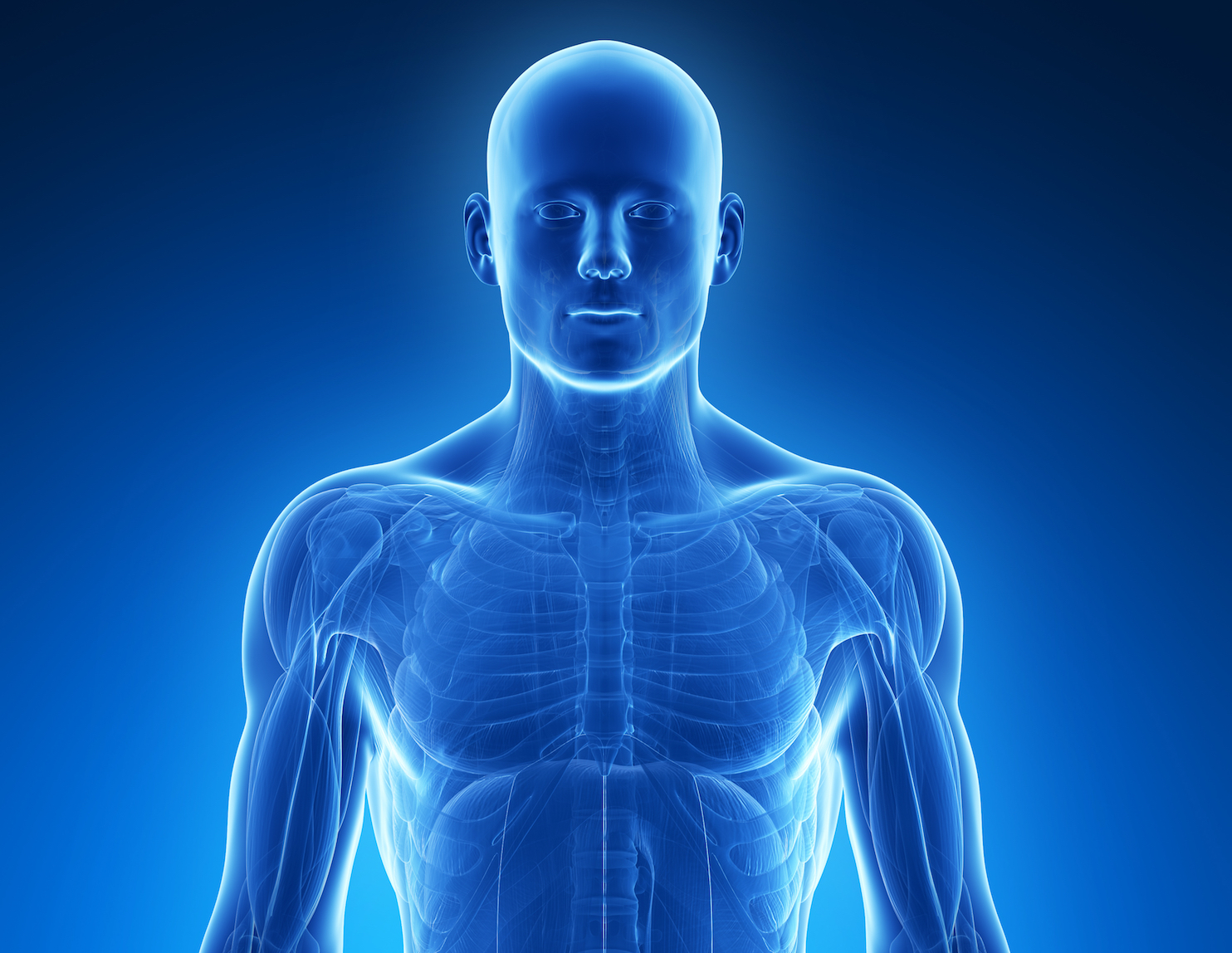
Newly discovered organ may be the largest in the human body - Earth.com
How Apes Reveal Human History – SAPIENS
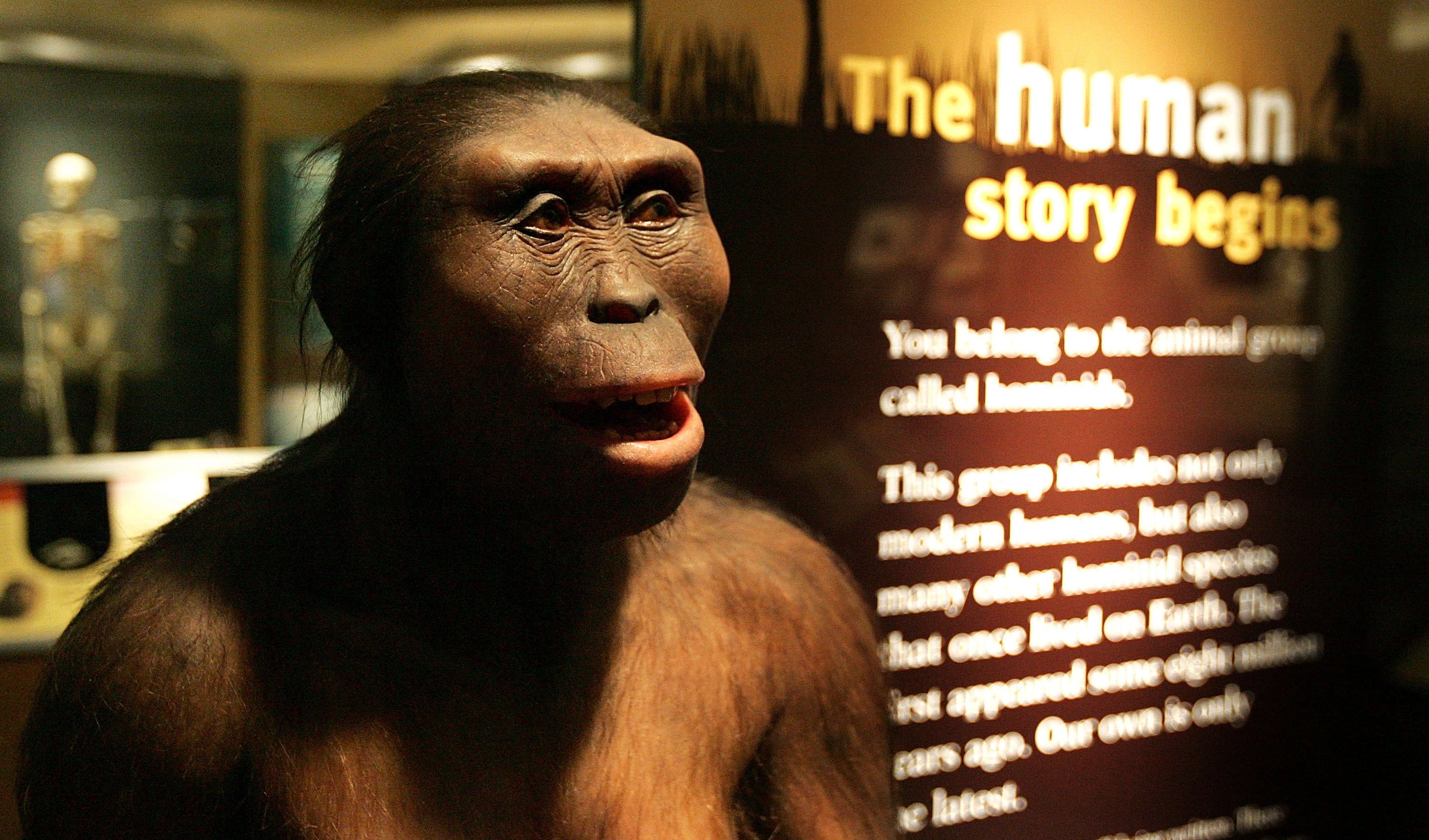
How Apes Reveal Human History – SAPIENS
Anatomy Of Human Body Parts And Functions - Infoupdate.org

Anatomy Of Human Body Parts And Functions - Infoupdate.org
Premium Photo | Diagram Of The Human Body With Internal Organs And Bones
Premium Photo | Diagram of the human body with internal organs and bones