
Essential Human Food Safe for Dogs to Eat List: A Practical Guide
When you’re deciding whether a snack from your plate can be shared with your canine companion, a clear human food safe for dogs to eat list is your best ally. By following a step‑by‑step discovery path, you can avoid the guesswork, protect your pet’s health, and even turn kitchen leftovers into rewarding treats.
Start with the Basics: Foods Dogs Absolutely Can Eat
Identify the low‑risk items that nutritionists and veterinarians repeatedly endorse. Plain cooked chicken (no skin or bones), ripe bananas, carrots, and pumpkin puree are among the most reliable choices. These foods provide protein, potassium, beta‑carotene, and fiber without the hidden dangers of seasonings or additives.
Spot the Red Flags: Common Human Foods to Exclude
Even a small amount of chocolate, grapes, raisins, onions, or anything with xylitol can trigger severe toxicity in dogs. Keep a mental checklist: if a food is high in salt, sugar, or fat, or if it contains spices like garlic or chili, it probably belongs on the “no” side of the list. Remember that “a nibble” rarely means “harmless” when it comes to these items.
Tailor the List to Your Dog’s Size and Health
Large breeds can tolerate slightly bigger portions of lean meats and vegetables, while toy breeds need miniature servings to avoid gastrointestinal upset. If your dog has a sensitive stomach or known allergies, introduce new foods one at a time and monitor for itching, vomiting, or changes in stool. A personal “safe list” becomes a living document as you learn what your pet enjoys and tolerates.
Understanding Digestion: How Dogs Process Human Foods

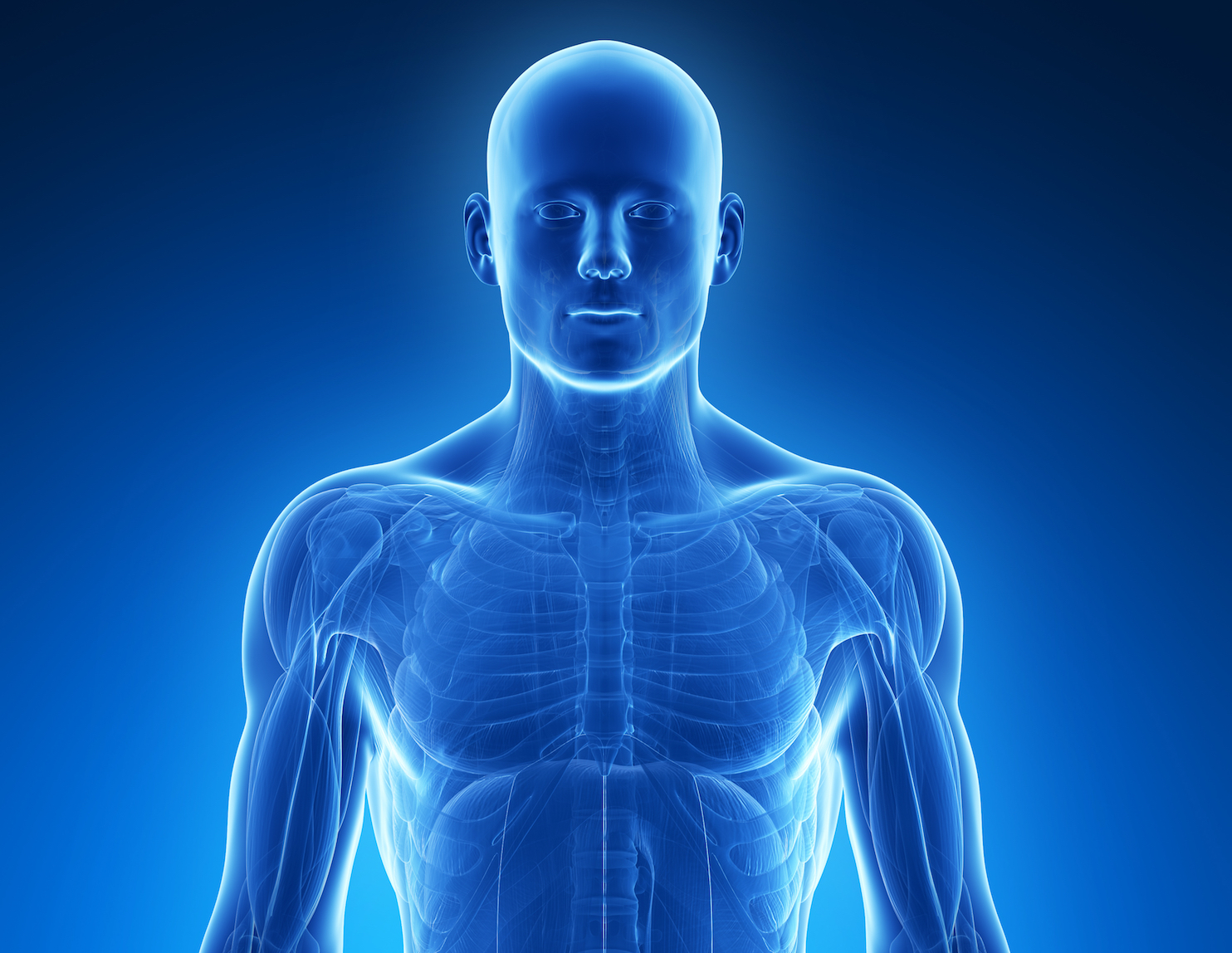
This detailed medical illustration, though human‑focused, mirrors the canine digestive tract enough to illustrate why low‑fat, low‑sugar foods move smoothly through the stomach and intestines. Fiber‑rich vegetables aid bowel regularity, while plain proteins supply essential amino acids without overloading the liver.
Practical Steps to Build Your Own Safe List
- Gather reliable sources. Check veterinary websites, reputable pet nutrition books, and your vet’s advice.
- Create a spreadsheet. List each food, its safe portion size, and any preparation notes (e.g., “boiled, no seasoning”).
- Test incrementally. Offer a teaspoon‑size piece, wait 24 hours, and note any reaction before increasing the amount.
- Update regularly. As your dog ages or develops health conditions, adjust the list to reflect new dietary needs.
Quick Reference Cheat Sheet
- Safe: Cooked turkey, plain yogurt, blueberries, green beans.
- Conditional: Eggs (cooked), oats (plain), lean beef (no seasoning).
- Never: Chocolate, avocado, macadamia nuts, alcoholic beverages.
By treating the human food safe for dogs to eat list as a dynamic tool rather than a static rulebook, you empower yourself to make confident, health‑first decisions at every mealtime. Your dog will thank you with a wagging tail and a brighter, healthier outlook.
When you’re deciding whether a snack from your plate can be shared with your canine companion, a clear human food safe for dogs to eat list is your best ally. By following a step‑by‑step discovery path, you can avoid the guesswork, protect your pet’s health, and even turn kitchen leftovers into rewarding treats.
Start with the Basics: Foods Dogs Absolutely Can Eat
Identify the low‑risk items that nutritionists and veterinarians repeatedly endorse. Plain cooked chicken (no skin or bones), ripe bananas, carrots, and pumpkin puree are among the most reliable choices. These foods provide protein, potassium, beta‑carotene, and fiber without the hidden dangers of seasonings or additives.
Spot the Red Flags: Common Human Foods to Exclude
Even a small amount of chocolate, grapes, raisins, onions, or anything with xylitol can trigger severe toxicity in dogs. Keep a mental checklist: if a food is high in salt, sugar, or fat, or if it contains spices like garlic or chili, it probably belongs on the “no” side of the list. Remember that “a nibble” rarely means “harmless” when it comes to these items.
Tailor the List to Your Dog’s Size and Health
Large breeds can tolerate slightly bigger portions of lean meats and vegetables, while toy breeds need miniature servings to avoid gastrointestinal upset. If your dog has a sensitive stomach or known allergies, introduce new foods one at a time and monitor for itching, vomiting, or changes in stool. A personal “safe list” becomes a living document as you learn what your pet enjoys and tolerates.
Understanding Digestion: How Dogs Process Human Foods
This detailed medical illustration, though human‑focused, mirrors the canine digestive tract enough to illustrate why low‑fat, low‑sugar foods move smoothly through the stomach and intestines. Fiber‑rich vegetables aid bowel regularity, while plain proteins supply essential amino acids without overloading the liver.
Practical Steps to Build Your Own Safe List
- Gather reliable sources. Check veterinary websites, reputable pet nutrition books, and your vet’s advice.
- Create a spreadsheet. List each food, its safe portion size, and any preparation notes (e.g., “boiled, no seasoning”).
- Test incrementally. Offer a teaspoon‑size piece, wait 24 hours, and note any reaction before increasing the amount.
- Update regularly. As your dog ages or develops health conditions, adjust the list to reflect new dietary needs.
Quick Reference Cheat Sheet
- Safe: Cooked turkey, plain yogurt, blueberries, green beans.
- Conditional: Eggs (cooked), oats (plain), lean beef (no seasoning).
- Never: Chocolate, avocado, macadamia nuts, alcoholic beverages.
By treating the human food safe for dogs to eat list as a dynamic tool rather than a static rulebook, you empower yourself to make confident, health‑first decisions at every mealtime. Your dog will thank you with a wagging tail and a brighter, healthier outlook.
Anatomy Of Human Body Parts And Functions - Infoupdate.org

Anatomy Of Human Body Parts And Functions - Infoupdate.org
How Apes Reveal Human History – SAPIENS
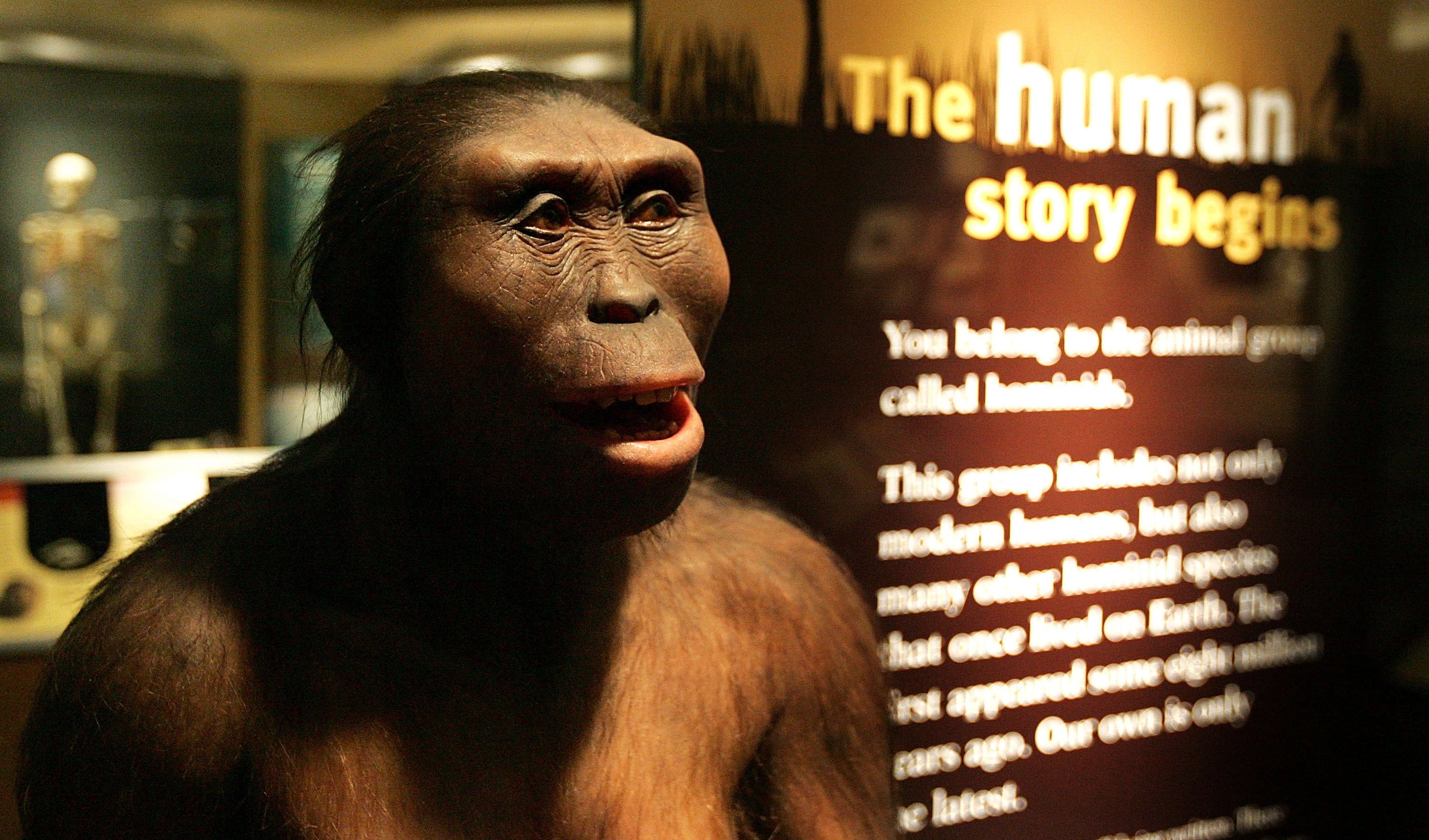
How Apes Reveal Human History – SAPIENS
Premium Photo | Diagram Of The Human Body With Internal Organs And Bones
Premium Photo | Diagram of the human body with internal organs and bones
Newly Discovered Organ May Be The Largest In The Human Body - Earth.com
Newly discovered organ may be the largest in the human body - Earth.com