Creating a List of Safe Human Food for Dogs: Practical Tips for Careful Pet Owners
When a beloved dog watches you munch on a piece of fruit or a slice of cheese, the temptation to share can be strong. Yet feeding your canine the wrong human foods can cause digestive upset or even toxic reactions. Building a reliable list of safe human food for dogs helps you turn curiosity into confident, healthy treats.
Why a Structured List Matters
Without a clear reference, it’s easy to rely on anecdotal advice that may be outdated. A structured list lets you quickly verify whether a grocery item belongs in your dog’s snack drawer, reducing the risk of accidental poisoning. It also supports meal planning, especially for owners who prefer to supplement kibble with fresh ingredients.
Core Foods That Pass the Safety Test
The following items have repeatedly been shown to be harmless in moderation, making them staples for a dog‑friendly pantry:
- Cooked lean meats – skinless chicken, turkey, or beef, boiled or baked without seasoning.
- Plain vegetables – carrots, green beans, cucumber, and pumpkin, all cooked or raw as long as they’re cut into bite‑size pieces.
- Fruit in moderation – apple slices (core removed), blueberries, and banana chunks, offering antioxidants and vitamins.
- Dairy with low lactose – plain yogurt or cottage cheese, which can aid digestion for many dogs.
- Grains – cooked rice or oatmeal, gentle on the stomach and useful for dietary variety.
Planning Your Dog’s Menu (and Your To‑Do List)
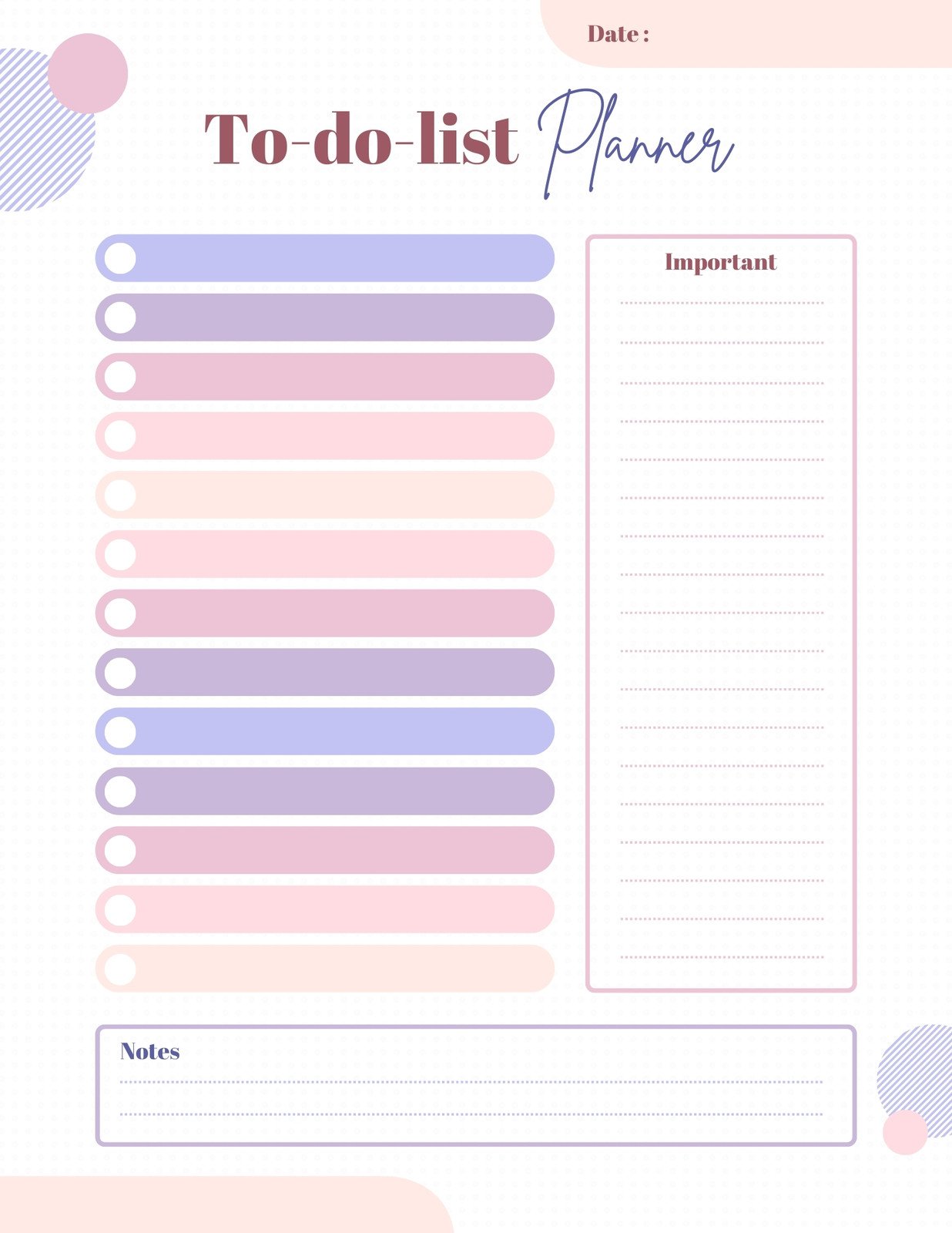
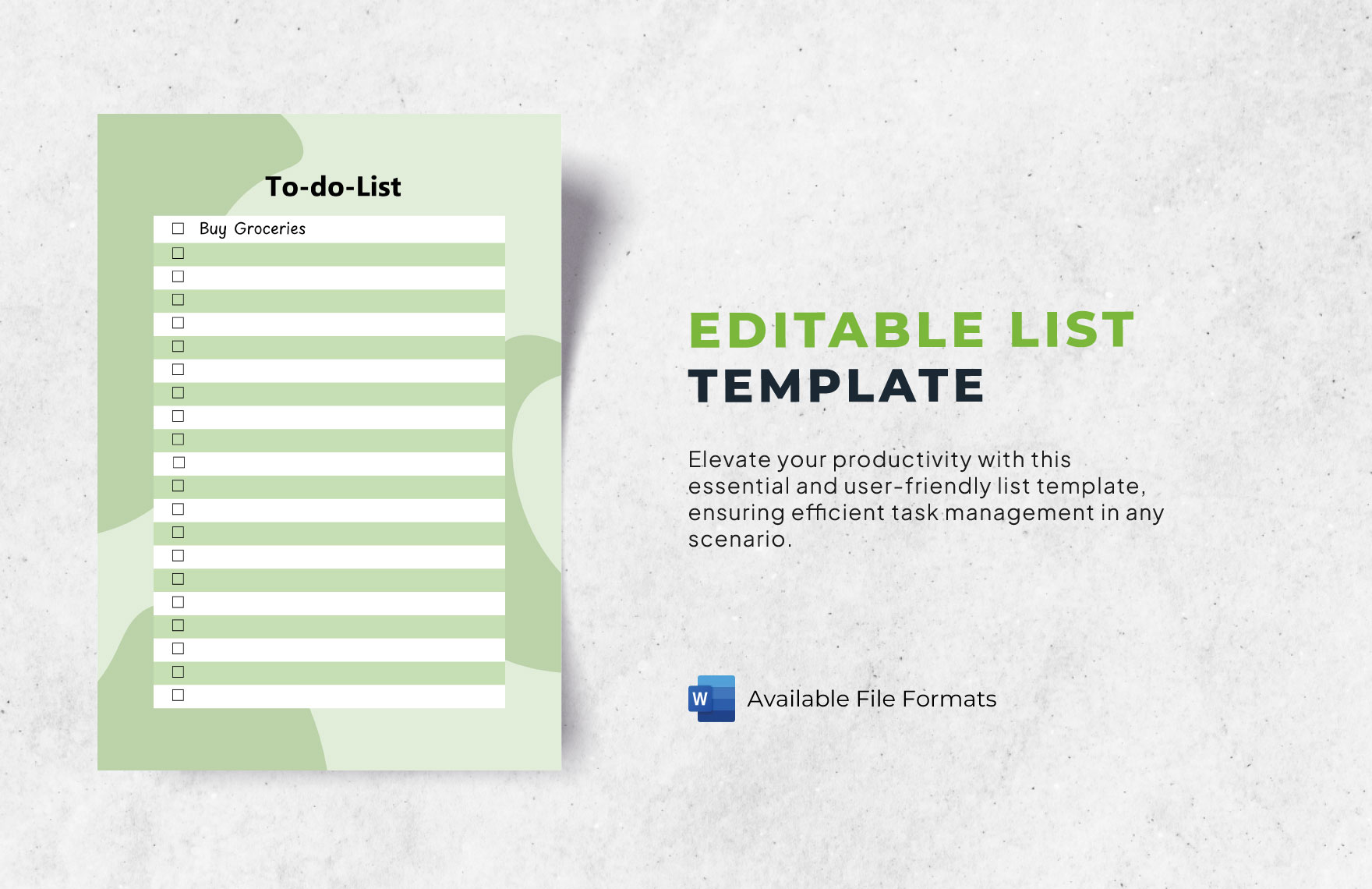
Just as a well‑organized to‑do list keeps your day on track, a simple planner can map out weekly snack rotations. Draft columns for “Meat,” “Veggies,” and “Fruit,” then tick off each item after preparation. This visual cue prevents accidental repeats of unsafe foods and ensures a balanced variety.
Red Flags: Foods That Should Never Cross the Bowl
Even if a food looks harmless, certain ingredients hide dangerous compounds. Keep these items off your dog’s plate:
- Chocolate and anything with cacao – contains theobromine, toxic to dogs.
- Grapes, raisins, and currants – can cause acute kidney failure.
- Onions, garlic, and related alliums – damage red blood cells.
- Artificial sweeteners, especially xylitol – trigger rapid insulin release and hypoglycemia.
- Cooked bones and fatty cuts – pose choking hazards and pancreatitis risk.
Using the List in Real‑World Scenarios
Imagine you’re hosting a backyard barbecue. Before reaching for a plate of grilled chicken, check your list: is the meat seasoned? If it’s plain, slice a few bites for the dog and discard the rest. When a friend offers a slice of cheesecake, glance at the list – dairy is okay, but sugar and cream cheese can be too rich; opt for a small piece of plain yogurt instead.
Maintaining the List Over Time
Dog nutrition guidelines evolve, and your pet’s health may change. Review the list quarterly, noting any new veterinary recommendations or observed sensitivities. Incorporate a “notes” section in your planner to record reactions, ensuring the list stays a living document rather than a static chart.
When a beloved dog watches you munch on a piece of fruit or a slice of cheese, the temptation to share can be strong. Yet feeding your canine the wrong human foods can cause digestive upset or even toxic reactions. Building a reliable list of safe human food for dogs helps you turn curiosity into confident, healthy treats.
Why a Structured List Matters
Without a clear reference, it’s easy to rely on anecdotal advice that may be outdated. A structured list lets you quickly verify whether a grocery item belongs in your dog’s snack drawer, reducing the risk of accidental poisoning. It also supports meal planning, especially for owners who prefer to supplement kibble with fresh ingredients.
Core Foods That Pass the Safety Test
The following items have repeatedly been shown to be harmless in moderation, making them staples for a dog‑friendly pantry:
- Cooked lean meats – skinless chicken, turkey, or beef, boiled or baked without seasoning.
- Plain vegetables – carrots, green beans, cucumber, and pumpkin, all cooked or raw as long as they’re cut into bite‑size pieces.
- Fruit in moderation – apple slices (core removed), blueberries, and banana chunks, offering antioxidants and vitamins.
- Dairy with low lactose – plain yogurt or cottage cheese, which can aid digestion for many dogs.
- Grains – cooked rice or oatmeal, gentle on the stomach and useful for dietary variety.
Planning Your Dog’s Menu (and Your To‑Do List)
Just as a well‑organized to‑do list keeps your day on track, a simple planner can map out weekly snack rotations. Draft columns for “Meat,” “Veggies,” and “Fruit,” then tick off each item after preparation. This visual cue prevents accidental repeats of unsafe foods and ensures a balanced variety.
Red Flags: Foods That Should Never Cross the Bowl
Even if a food looks harmless, certain ingredients hide dangerous compounds. Keep these items off your dog’s plate:
- Chocolate and anything with cacao – contains theobromine, toxic to dogs.
- Grapes, raisins, and currants – can cause acute kidney failure.
- Onions, garlic, and related alliums – damage red blood cells.
- Artificial sweeteners, especially xylitol – trigger rapid insulin release and hypoglycemia.
- Cooked bones and fatty cuts – pose choking hazards and pancreatitis risk.
Using the List in Real‑World Scenarios
Imagine you’re hosting a backyard barbecue. Before reaching for a plate of grilled chicken, check your list: is the meat seasoned? If it’s plain, slice a few bites for the dog and discard the rest. When a friend offers a slice of cheesecake, glance at the list – dairy is okay, but sugar and cream cheese can be too rich; opt for a small piece of plain yogurt instead.
Maintaining the List Over Time
Dog nutrition guidelines evolve, and your pet’s health may change. Review the list quarterly, noting any new veterinary recommendations or observed sensitivities. Incorporate a “notes” section in your planner to record reactions, ensuring the list stays a living document rather than a static chart.
Free Ingredients List Template To Edit Online
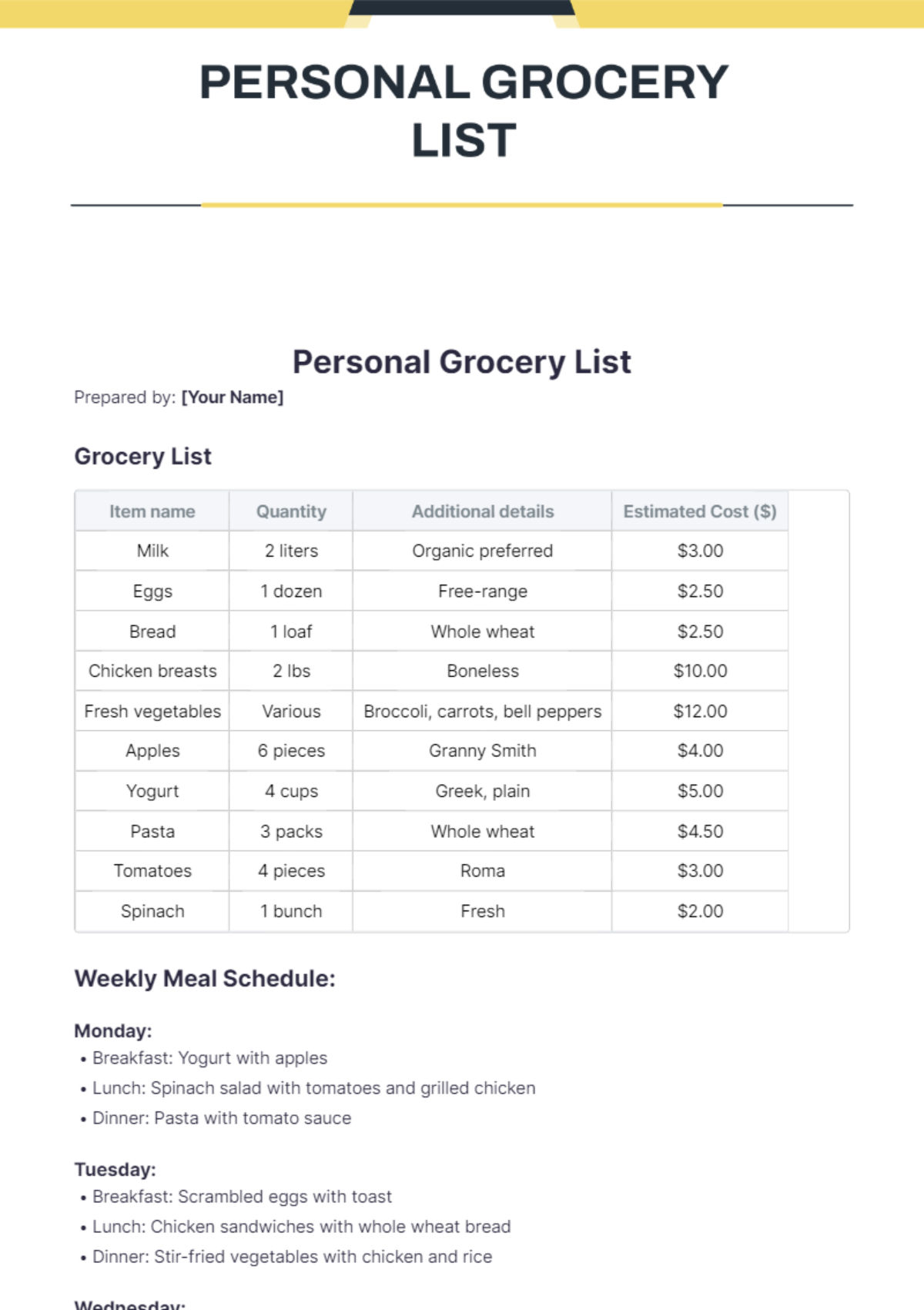
Free Ingredients List Template to Edit Online
Daily To Do List Printable Pdf At Dylan Schmella Blog
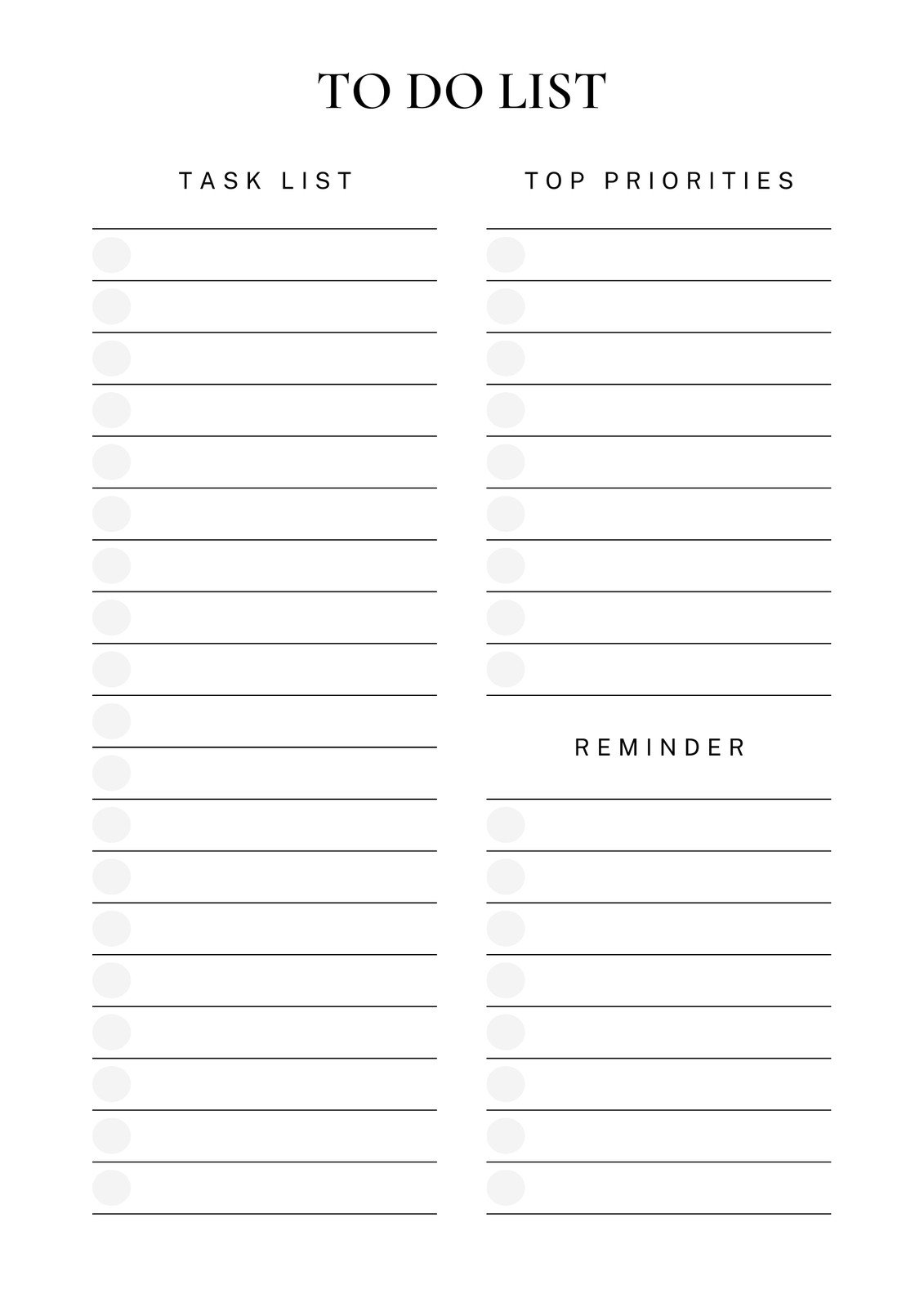
Daily To Do List Printable Pdf at Dylan Schmella blog
Vendor List Template In PDF, Word, Google Docs - Download | Template.net
Vendor List Template in PDF, Word, Google Docs - Download | Template.net
Client List Template In Excel, Google Sheets - Download | Template.net
Client List Template in Excel, Google Sheets - Download | Template.net